


The modern luxury retail environment relies heavily on experiential design. When a client approaches a high-end boutique, their perception of the brand forms well before they examine the merchandise. Every material chosen for the storefront and interior layout communicates a specific message about quality, heritage, and attention to detail.
While glass and polished stone have long been staples of premium commercial design, architectural metal decor offers an unmatched balance of structural presence and refined elegance. When integrated thoughtfully across both interior and exterior spaces, custom metalwork establishes a cohesive aesthetic narrative. It transforms standard retail spaces into immersive, tactile environments that mirror the craftsmanship of the luxury goods sold within them.
Here are seven sophisticated ways to implement custom metal decor to elevate your luxury boutique’s indoor and outdoor presentation.
1. Exterior Signage and Brand Markers
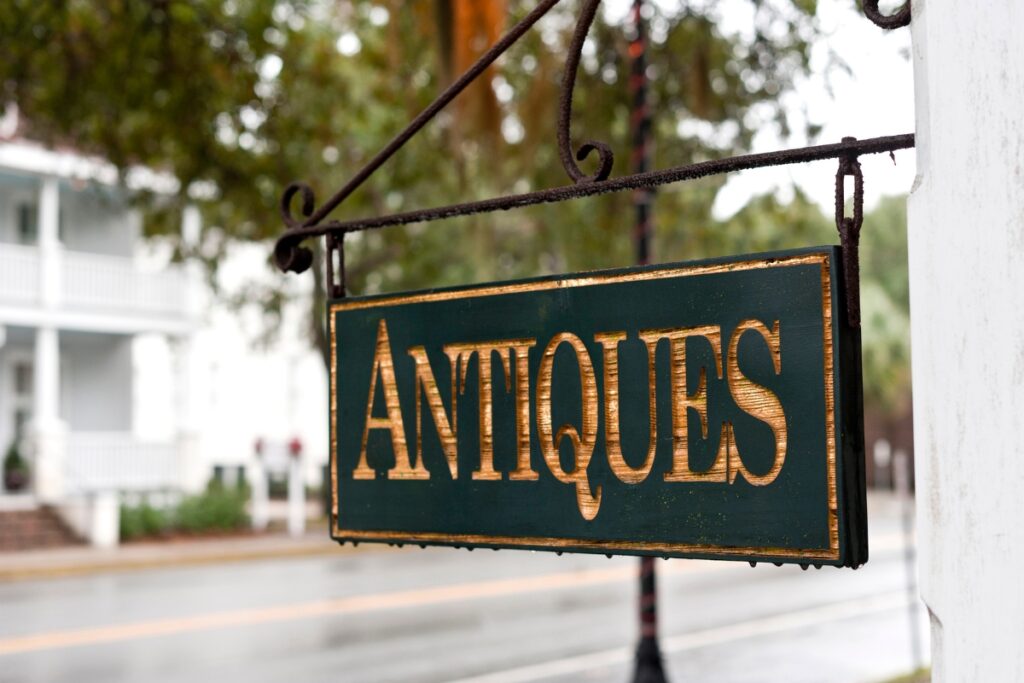
The exterior of a boutique serves as the initial point of contact for prospective clients. Standard vinyl or plastic signage often lacks the weight and permanence associated with luxury brands. Transitioning to metal signage—whether it features laser-cut steel, raised brass lettering, or an oxidized copper plaque—adds a dimensional quality to the storefront.
Outside, weather-resistant metals like treated aluminum or stainless steel maintain their finish despite exposure to the elements. The strategic use of backlighting against a dark metal logo creates a distinct silhouette during evening hours. Indoors, replicating this metal signage behind the main transaction counter or on a focal wall establishes brand consistency. This cohesive approach to brand markers helps anchor the space, subtly reinforcing the boutique’s identity without relying on overly aggressive visual cues.
2. Architectural Window Trims and Door Hardware
The threshold of a boutique marks the transition from the public street into a curated retail environment. Heavy, well-crafted metal door hardware, such as a substantial bronze pull handle or a polished nickel push plate, provides a tactile experience for clients as they enter. This physical interaction sets a precedent for the quality of the items inside.
Similarly, updating window trims and mullions with metal framing can dramatically alter the facade. Steel-framed windows, often associated with high-end galleries and historic renovations, draw the eye toward the window displays. By framing the merchandise in crisp metal lines, the architecture itself becomes a supporting feature of the visual merchandising strategy.
3. Custom Shelving and Merchandise Displays
Inside the boutique, the primary function of the space is to present merchandise clearly and attractively. Flimsy or bulky shelving can detract from the items on display. Metal shelving units, conversely, can be engineered to bear significant weight while maintaining a slim, unobtrusive profile.
Depending on the boutique’s style, these fixtures can vary widely. A contemporary fashion retailer might opt for floating shelves supported by concealed steel brackets, giving the illusion that the garments or accessories are suspended in mid-air. A boutique selling artisan home goods might select wrought-iron étagères with glass shelving, offering an open line of sight throughout the store. Because metal can be powder-coated in nearly any color, these fixtures can either blend seamlessly into the background or stand out as intentional design features.
4. Freestanding Planters for Greenery

#image_title
Integrating natural elements into a retail space often softens the environment and introduces color. However, standard ceramic or plastic pots can easily break or look out of place in a meticulously designed luxury setting. Using large-scale metal planters is a reliable method for incorporating greenery both indoors and outdoors.
For the exterior entrance, tall corten steel planters provide an earthy, rust-toned finish that contrasts well with green foliage like boxwoods or architectural grasses. Inside, brushed brass or ribbed aluminum planters can house ficus trees or orchids, adding organic shapes to the sales floor. The weight of metal planters also ensures stability in high-traffic areas, reducing the risk of tipping.
5. Suspended Lighting Fixtures
Lighting fundamentally alters how merchandise is perceived, impacting everything from color accuracy to the overall mood of the room. Metal lighting fixtures—ranging from industrial pendant lights to intricate, modern brass chandeliers—serve as suspended sculptures that draw the eye upward and define different zones within the boutique.
A row of matte black metal dome pendants can effectively illuminate a central display table, while adjustable brass track lighting allows store managers to direct focused beams onto specific racks or shelves. The finish of the metal on these fixtures can be coordinated with other hardware in the store, creating a unified design language. Furthermore, the reflective qualities of polished metals can bounce ambient light around the room, which often helps brighten darker corners of the floor plan.
6. Room Dividers and Spatial Organization
Luxury boutiques frequently require defined areas for different collections, private fitting rooms, or VIP consultation spaces. Constructing permanent walls can make a store feel restrictive and block natural light. Metal room dividers offer a flexible alternative for spatial organization.
Laser-cut metal screens, featuring geometric patterns or custom organic motifs, partition the space while maintaining airflow and visibility. These panels can be mounted on sliding tracks or established as freestanding units. In addition to their functional role in directing foot traffic, they introduce texture and pattern into the room. Finished in bronze or champagne gold, these screens act as architectural jewelry, separating distinct departments in a way that feels intentional and open rather than confined.
7. Integrated Seating and Lounge Areas
Shopping in a luxury boutique is rarely a rushed experience. Clients often require comfortable areas to wait, try on footwear, or discuss bespoke services. The furniture selected for these lounge areas should align with the surrounding decor. Incorporating metal into the seating design adds structure and visual interest.
Consider incorporating velvet or leather benches supported by sleek, polished chrome frames, or armchairs with hammered iron legs. Even small metal side tables placed next to seating areas provide a convenient surface for a client’s handbag or a complimentary beverage. By ensuring that the foundational materials of the furniture echo the displays and hardware, the entire boutique feels cohesive.
Structuring a Cohesive Retail Environment
The careful application of metal decor provides a reliable foundation for boutique design. From the heavy brass handle on the front door to the precise steel shelving holding the merchandise, these materials contribute to an atmosphere of stability and intention. Metal’s versatility allows it to be shaped, textured, and finished to suit a wide range of aesthetic preferences, making it a highly practical choice for both indoor and outdoor applications.
By focusing on durable materials and cohesive design strategies, retailers can cultivate an environment that accurately reflects their brand identity. The goal is to build a space that respectfully frames the merchandise and facilitates a comfortable, engaging experience for the client.
If you are ready to enhance your retail environment with custom-crafted, architectural elements designed for longevity and distinction, the team at Metal Wood Decor & More can help bring your vision to life. From custom interior fixtures to high-impact outdoor installations, we work alongside luxury retailers to deliver tailored design solutions.
To discuss your boutique’s upcoming design or renovation project, contact us directly at metalwooddecor@gmail.com.
