

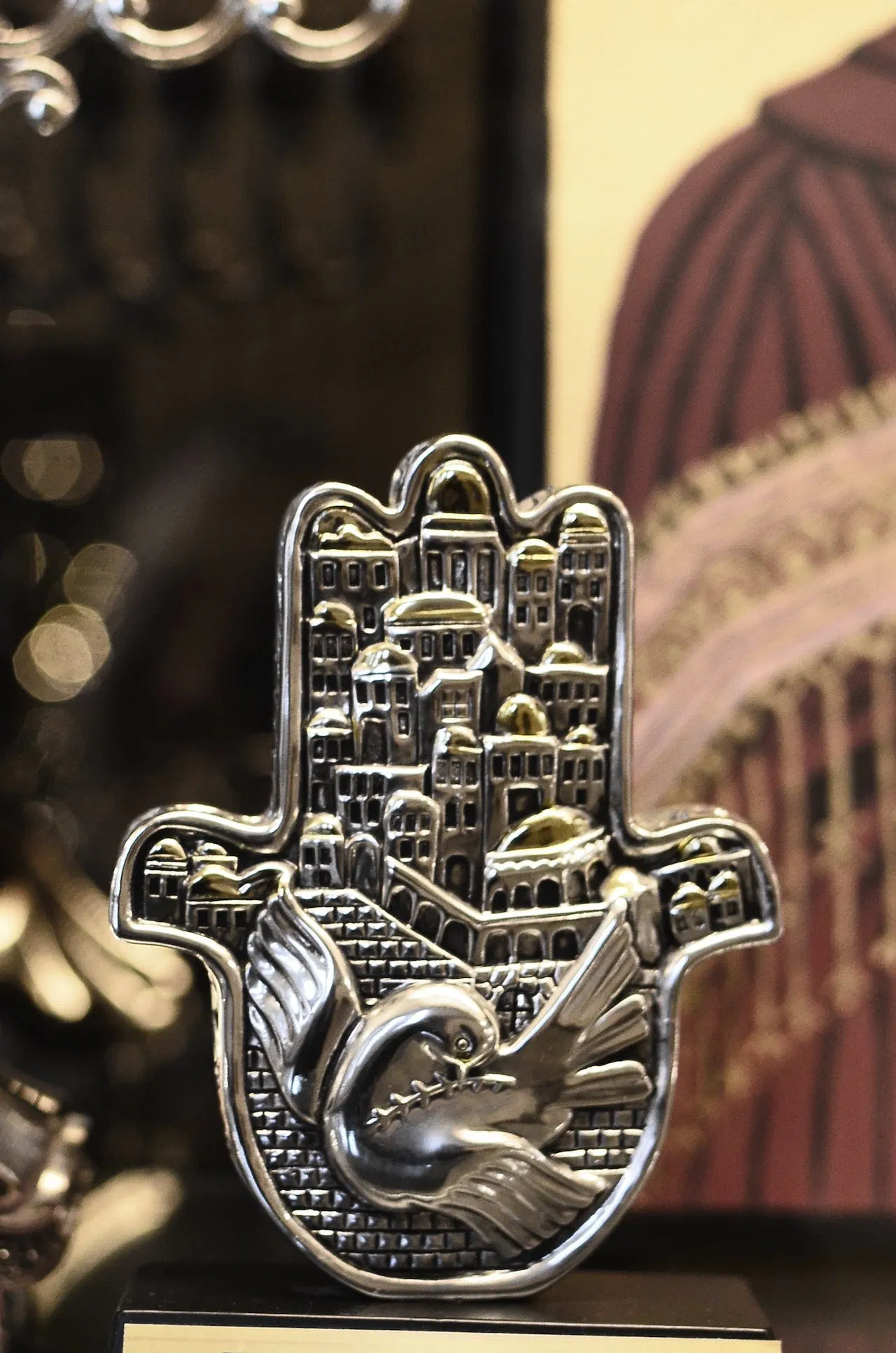
Outdoor metal decor—whether it’s a hand-forged wrought iron gate, a delicate copper wind spinner, or a modern aluminum wall sculpture—serves as the jewelry of your landscape. It adds texture, personality, and a sense of permanence to your garden. However, because these pieces are constantly exposed to the elements, they are locked in a perpetual battle with oxidation, UV rays, and environmental pollutants.
Many homeowners, in an attempt to keep their treasures looking new, accidentally hasten their demise by using improper cleaning techniques. To ensure your investment stands the test of time, you must navigate the fine line between “clean” and “damaged.”
Here are the 10 most common cleaning mistakes you should avoid when maintaining your outdoor metal decor.
Metal Decor Maintenance Mistakes to Avoid
1. Using Abrasive Scrubbing Pads or Steel Wool
It is tempting to reach for a heavy-duty scouring pad when you see a stubborn bird dropping or a patch of dried mud on your metal art. This is perhaps the most common mistake made in outdoor maintenance.
The Risk: Most outdoor metal decor is treated with a protective finish—be it powder coating, paint, or a clear lacquer. Abrasive tools like steel wool or stiff-bristled brushes create micro-scratches in these surfaces. These scratches don’t just dull the shine; they create tiny valleys where moisture and oxygen can bypass the protective layer and reach the raw metal, triggering the rusting process.
The Fix: Always use a soft microfiber cloth or a natural sea sponge. If you encounter a stubborn spot, let a wet cloth sit over it for five minutes to soften the debris rather than scrubbing harder.
2. Opting for Harsh Chemicals (Bleach and Ammonia)
If a little soap is good, a strong chemical cleaner must be better, right? Not in the world of metalwork. Using household bleach, ammonia-based glass cleaners, or “industrial-strength” degreasers can be catastrophic for metal finishes.1
The Risk: Bleach is highly corrosive to many metals, especially stainless steel and aluminum.2 It can cause “pitting,” which looks like tiny dark holes in the metal surface. Ammonia can strip away the protective oils and patinas that give copper and bronze their character, leaving them looking blotchy and raw.
The Fix: Stick to mild, pH-neutral dish soap diluted in warm water.3 It is effective enough to break down surface grime without reacting chemically with the metal.
3. Treating All Metals as Equal
A “one-size-fits-all” approach to cleaning is a recipe for disaster. Wrought iron, aluminum, copper, and galvanized steel all have different chemical properties and require specific care.
The Risk: For example, what works for aluminum (which naturally resists rust through a thin layer of aluminum oxide) might be insufficient for wrought iron (which is highly prone to rust). Conversely, a cleaner designed to strip rust from iron might eat through the delicate patina of an aged copper sculpture.
The Comparison Table:
| Metal Type | Primary Threat | Preferred Cleaning Method |
| Wrought Iron | Red Rust | Mild soap, thorough drying, and wax. |
| Aluminum | Pitting/Chalking | Non-acidic soap; avoid alkaline cleaners. |
| Copper | Loss of Patina | Soft cloth only; avoid acidic juice/vinegar. |
| Stainless Steel | Tea Staining | Specialist stainless cleaner or warm water. |
4. Neglecting the Power of Protective Wax

Many people think the job is done once the dirt is gone. However, cleaning actually removes some of the residual oils and waxes that protect the metal from the air.
The Risk: Leaving metal “naked” after a deep clean exposes it to immediate oxidation. This is especially true for wrought iron and non-galvanized steel.
The Fix: After cleaning and drying your decor, apply a thin layer of high-quality car wax or specialized paste wax. This creates a hydrophobic barrier that causes rainwater to bead off rather than sit on the surface.
5. Cleaning Under the Midday Sun
It might seem like a great weekend afternoon activity, but cleaning your metal decor when it’s hot to the touch is a tactical error.
The Risk: High temperatures cause the water and soap solution to evaporate almost instantly. This leaves behind “soap scum” or mineral deposits from your tap water (hard water spots) that can be incredibly difficult to remove and may even bake into the finish.
The Fix: Clean your decor in the early morning or late evening when the metal is cool. This allows the cleaning solution to stay wet long enough to actually lift the dirt.
6. Waiting Too Long to Address Rust
Rust is like a biological infection; if you catch it early, it’s a minor fix. If you wait, it becomes structural.
The Risk: A small orange speck on a metal birdbath might seem insignificant, but rust expands as it forms. It can bubble up under the paint, causing large flakes to fall off and exposing even more metal to the elements.
The Fix: Inspect your decor every season. If you see a tiny spot of rust, sand it lightly with fine-grit sandpaper until you see shiny metal, then immediately touch it up with a matching rust-inhibiting paint or a clear coat.
7. Relying on High-Pressure Washers
The satisfaction of using a power washer is undeniable, but your delicate metal wall art is not a concrete driveway.
The Risk: The sheer force of a pressure washer can get underneath the edges of powder coating or paint, peeling it off in large strips. It can also dent thin-gauge metals or force water into hollow joints where it can’t escape, leading to “internal” rusting.
The Set-Up: Use a standard garden hose with a spray nozzle on a “shower” or “mist” setting. The goal is to rinse, not to blast.
8. Overlooking Nooks, Crannies, and Joints
Outdoor decor often features intricate scrollwork, leaves, and overlapping pieces of metal.4 These are the most vulnerable parts of the piece.
The Risk: Dirt, salt (if you live near the ocean), and moisture gravitate toward joints and crevices through capillary action. If you only clean the flat, visible surfaces, the piece will eventually fail at the connections—the very spots that hold it together.
The Fix: Use an old, soft toothbrush to gently clean inside joints and tight scrolls. Ensure these areas are rinsed thoroughly to remove any trapped soap.
9. Forgetting to Dry Manually
Allowing your metal decor to air-dry is a missed opportunity for protection.
The Risk: Tap water often contains minerals like calcium and magnesium.5 As the water evaporates, these minerals remain, creating white, cloudy spots. On dark wrought iron, this can look unsightly and, over time, can contribute to the degradation of the finish.
The Fix: After the final rinse, use a clean, dry microfiber towel to buff the piece dry. This removes mineral deposits and gives you a chance to inspect the piece closely for any new damage.
10. Storing Decor Improperly During Off-Seasons
While “outdoor” metal is built for the elements, it isn’t invincible—especially in climates with heavy snow or salt-treated roads.
The Risk: Leaving decor out in the snow or on damp soil for months at a time subjects it to constant moisture. Even worse is covering it with a plastic tarp that doesn’t breathe; this creates a “greenhouse effect,” trapping moisture against the metal and accelerating corrosion.
The Fix: If possible, move smaller pieces into a garage or shed for the winter. If they must stay outside, elevate them off the soil (which holds moisture) and use a breathable fabric cover specifically designed for outdoor furniture or art.
Summary Checklist for a Healthy Shine
- Do: Use microfiber, mild soap, and cool water.
- Do: Dry by hand and apply a protective wax.
- Do: Inspect for rust “freckles” every three months.
- Don’t: Use steel wool, bleach, or power washers.
- Don’t: Clean while the metal is hot from the sun.
Maintaining your outdoor metal decor doesn’t have to be a chore, but it does require a bit of mindfulness. By avoiding these common pitfalls, you ensure that your garden remains a beautiful, artistic retreat for years to come.
If you have questions about specific finishes or need advice on restoring a vintage piece of metal art, we are here to help. Email Metal Wood Decor & More at metalwooddecor@gmail.com.
